Cloud Observatory
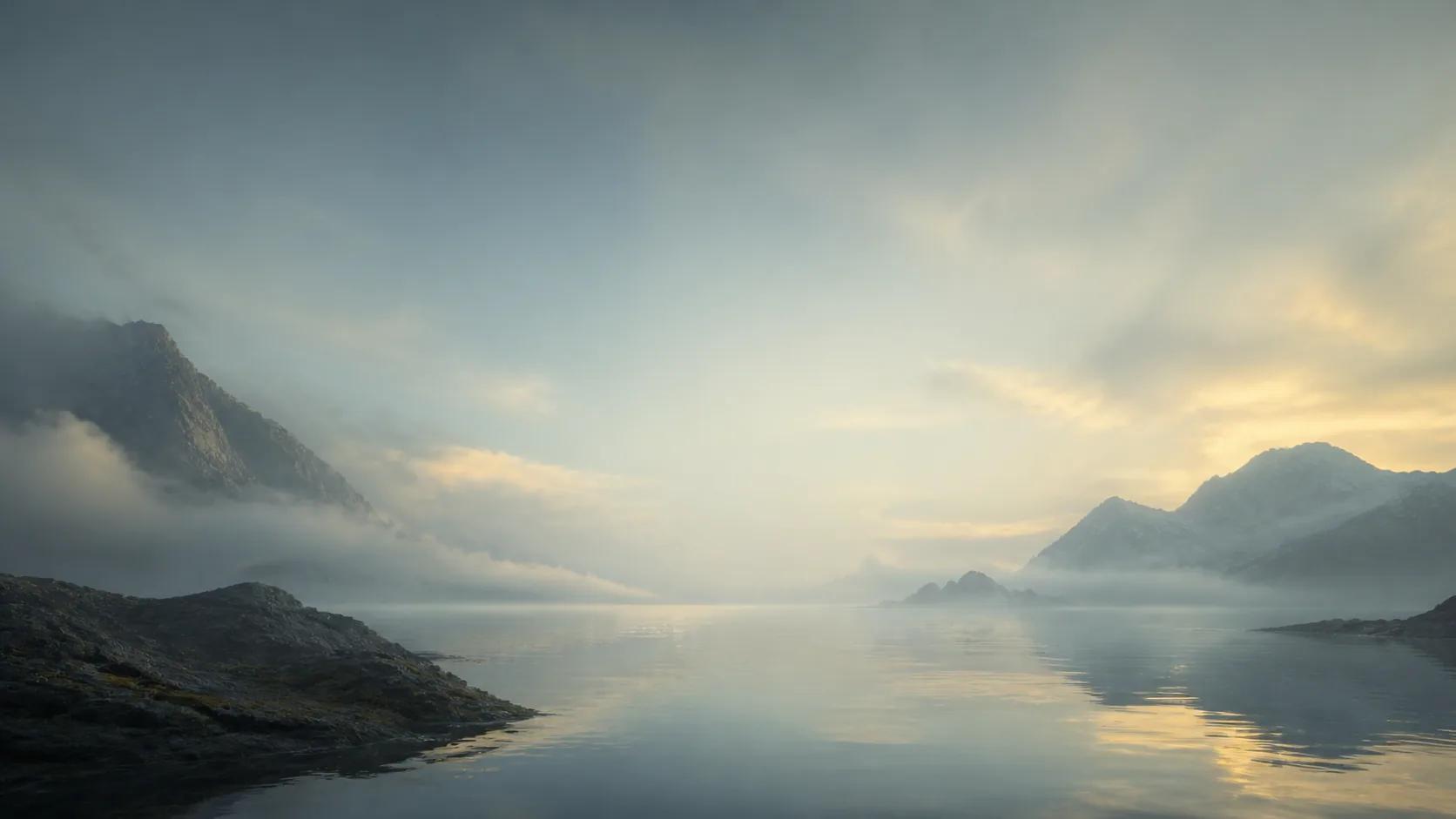
Instrumental cinematic ambient music with slowly evolving analog pads, distant piano notes and soft strings for an observatory emerging above the clouds at sunrise. No vocals.
3:13Cinematic ambientHopeful
Describe a place, feeling, or purpose. Shape the texture and movement, then generate a complete ambient piece that develops beyond a short loop.
Ambient music depends on movement and texture as much as genre. These directions show how a scene, sound palette, and rate of change can steer the same generator toward a cinematic bed, a calm meditation piece, or an uneasy dark drone.
Cinematic ambient
Direction used
Instrumental cinematic ambient music with slowly evolving analog pads, distant piano notes and soft strings for an observatory emerging above the clouds at sunrise. No vocals.
Meditation ambient
Direction used
A complete three-minute instrumental meditation ambient composition with warm evolving drones, gentle water textures, sparse singing bowls, subtle harmonic movement and a calm beginning-to-ending arc. No vocals, spoken words or pop structure.
Dark ambient
Direction used
Instrumental dark ambient music with low granular drones, metallic room tones and distant pulses moving through an abandoned underground station. No vocals.
Give the model the emotional and sonic information a composer would need.
Write the setting, purpose, or image the music should support. A concrete scene gives the piece a clearer emotional center than a generic request for relaxing music.
Choose an ambient family, mood, rate of movement, and sound palette. Add a wordless choir or keep the entire piece instrumental.
Create a complete piece, listen for the texture and development, then change one direction at a time to make the atmosphere brighter, darker, busier, or more spacious.
The controls focus on the details that make atmospheric music feel intentional.
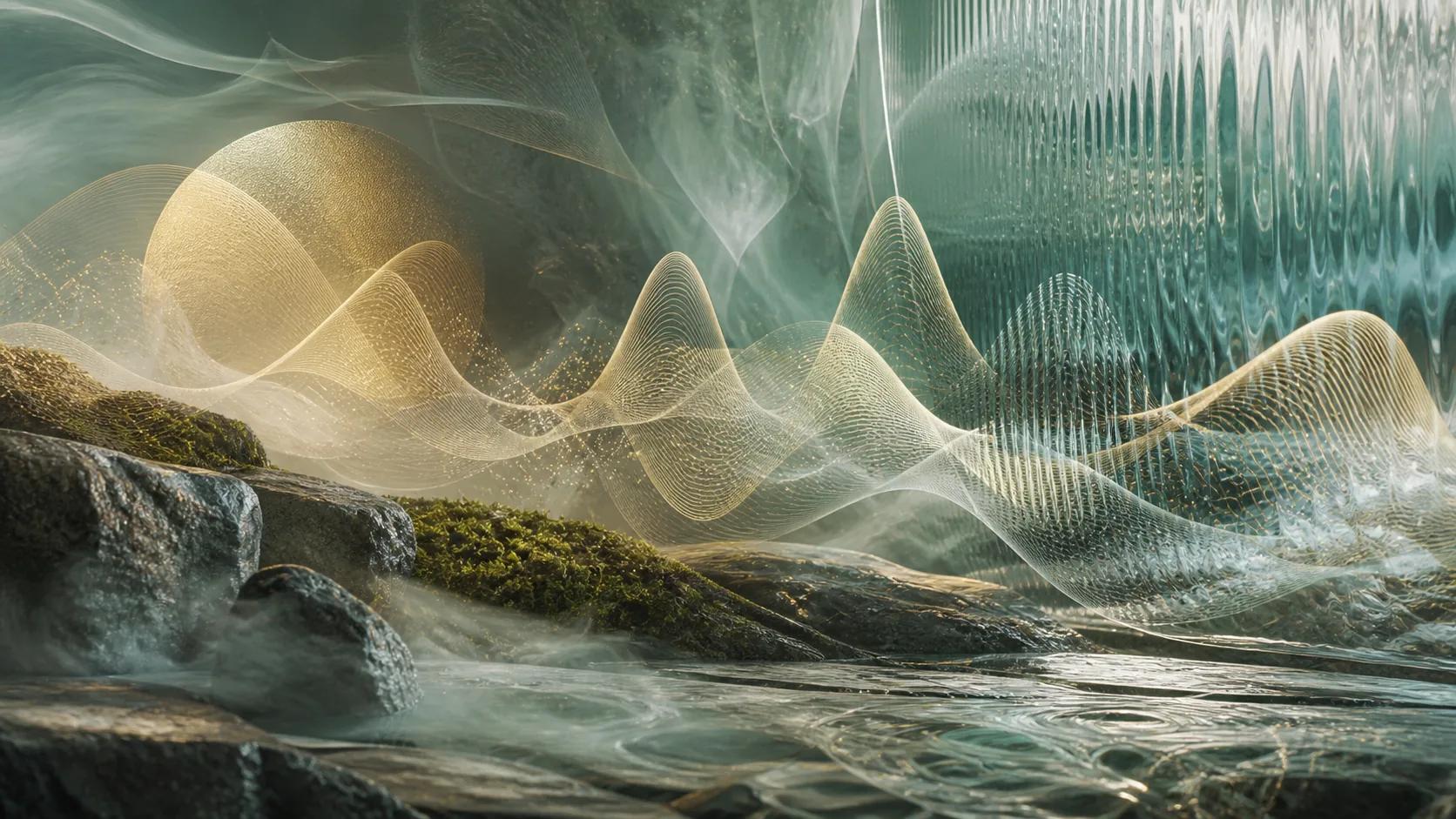
Choose analog pads, granular layers, field recordings, piano and strings, guitar swells, or airy digital textures. The palette changes the material of the piece, not only its label.
Create ambient music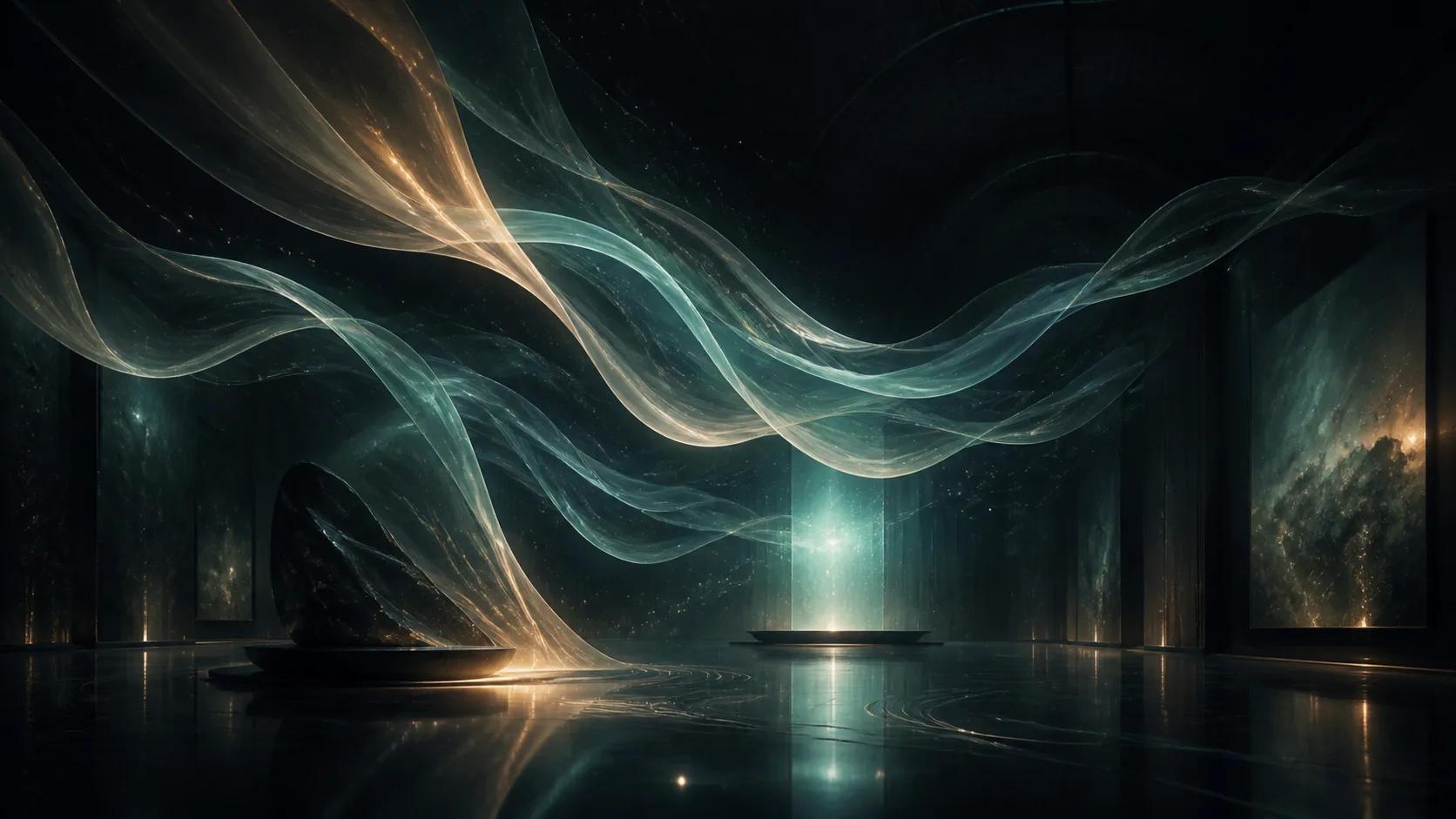
Keep it nearly still for meditation, add a gentle pulse for focus, or request a gradual build for a cinematic scene. Movement provides shape without forcing a verse-and-chorus structure.
Create ambient music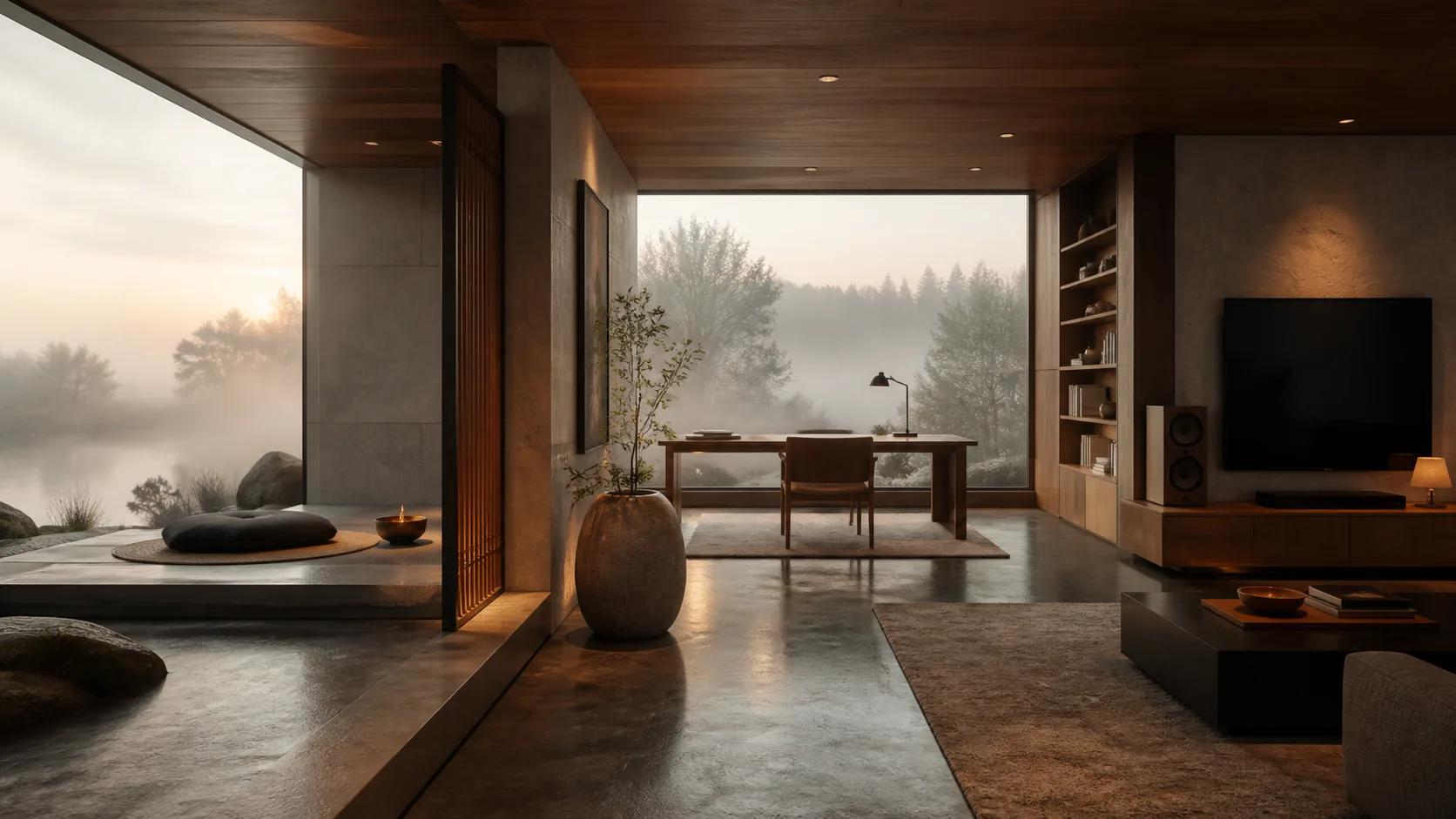
Describe the actual use: a documentary bed, an installation, a study session, a guided meditation, or a game environment. The arrangement can leave room for narration or carry the scene alone.
Create ambient music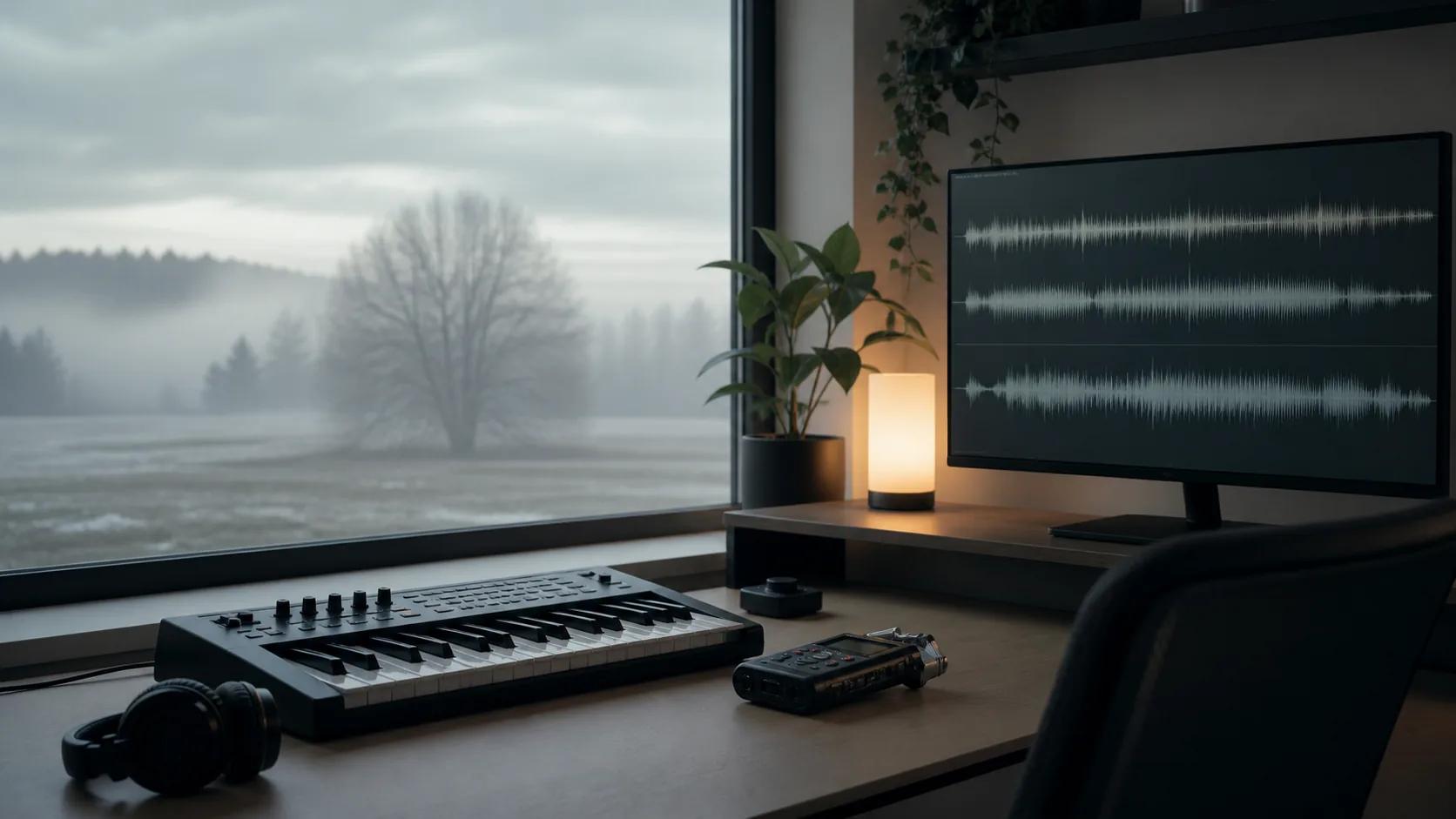
Master the result, split its layers into stems, edit the direction, or pair it with a visual. The generated piece remains available across the rest of the music workflow.
Create ambient musicThe practical details about output, licensing, and what you can do next.
The model creates harmony, texture, pacing, and mix together as playable audio. You hear the full atmosphere instead of assembling separate loops first.
Any paid music subscription includes commercial rights for songs on the same account, including earlier Free-plan songs. No regeneration is needed, and the rights remain valid after cancellation, subject to the Terms.
Create cinematic, dark, drone, space, nature, meditation, electronic, and minimal ambient music from one focused workflow.
Send the finished piece to stem splitting when you need the drones, melodic material, percussion, or vocal textures as workable parts.
Regenerate from an adjusted prompt, extend the piece, remix it, or master it without rebuilding the project outside the platform.
New accounts receive free credits, so you can generate and listen before deciding whether to purchase more. No card is required to start.
Clear answers about styles, vocals, duration, and usage.
Describe the place, choose its movement and texture, and generate a complete ambient piece with free starting credits.
Create ambient musicNo credit card needed · Free credits to start