
Voice Cloning: Techniques, Ethics, and Creative Applications
Voice cloning technology has reached new heights of realism. Discover the techniques behind AI voices and explore the ethical considerations every creator should understand.
Voice cloning technology has reached a new level of realism.
Today, AI can not only replicate how a voice sounds—but also how it feels.
Behind this shift is a combination of advances in deep learning and audio modeling.
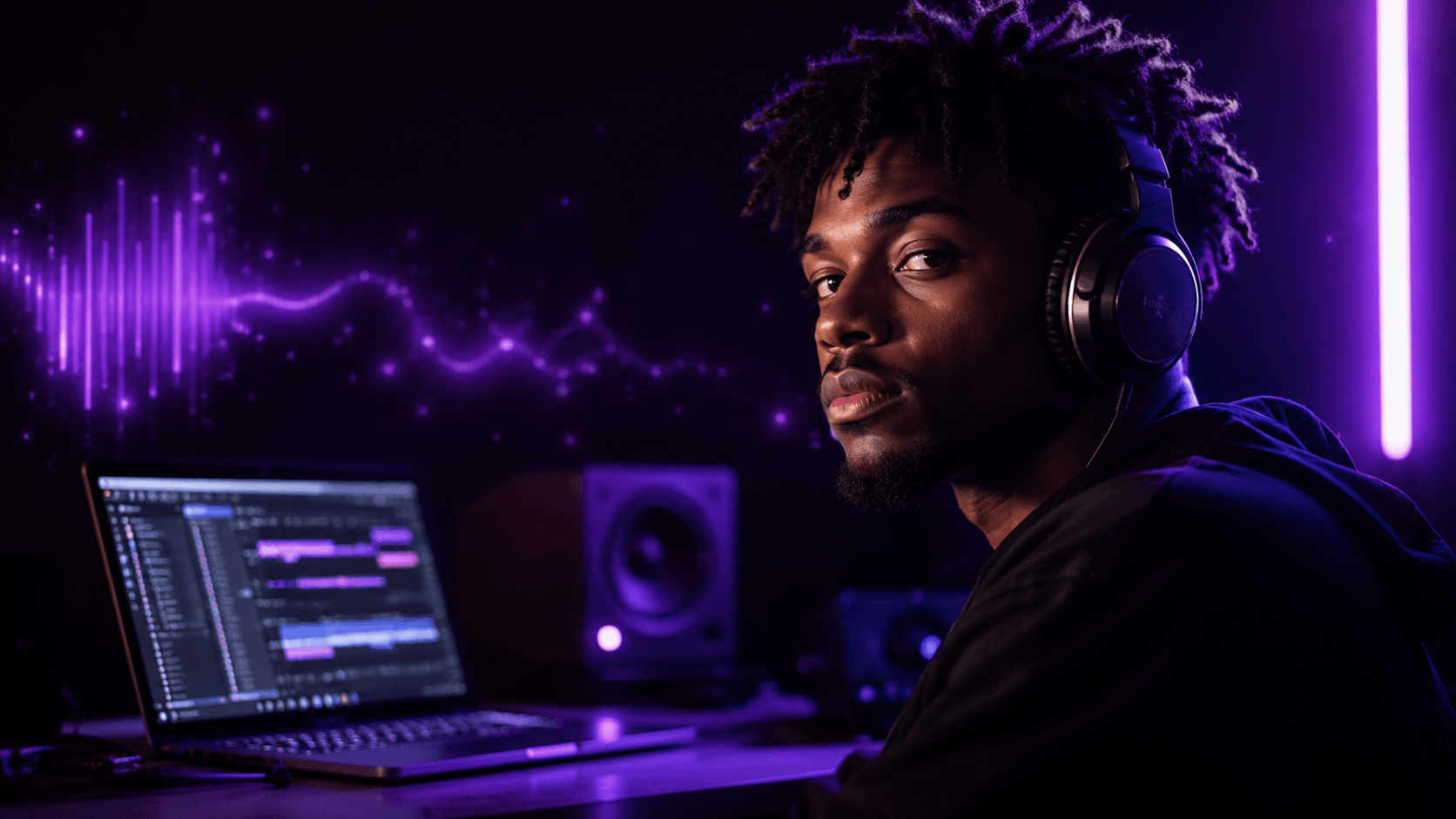
Modern systems analyze key elements such as timbre, pitch, rhythm, and expression, then reconstruct them into a reusable voice model. What used to take hours of recording can now be achieved with just minutes of audio.
But technical progress is only part of the story.
As voices become easier to replicate, important questions begin to surface.
Who owns a voice? What happens when someone’s voice is used without permission? And how should platforms handle AI-generated content that sounds indistinguishable from a real person?
These ethical considerations are no longer abstract—they are shaping how voice technology is built and used today.
At the same time, the creative possibilities are expanding rapidly.
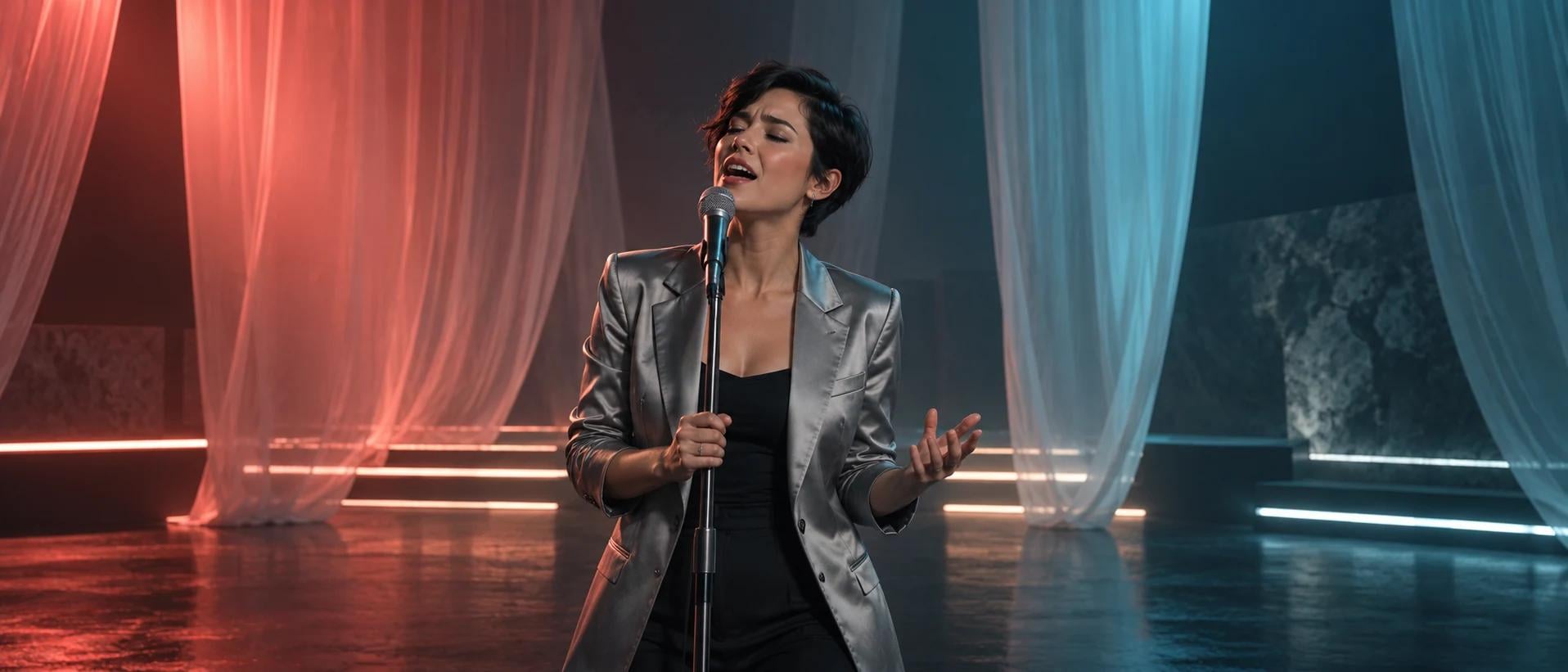
For musicians, voice cloning makes it possible to maintain a consistent vocal identity across multiple tracks, or experiment with new styles without re-recording.
For content creators, it enables scalable production while preserving a recognizable voice.
And for storytelling, it opens the door to entirely new forms of expression, where voice becomes a flexible creative tool rather than a fixed limitation.
Voice is no longer just something you record.
It’s something you can design, reuse, and evolve.